Winter Mountain Leader course provision Winter 2025–26
13.04.26Overview
The 2025–26 Winter Mountain Leader season was characterised by challenging weather (with very strong upper winds being a constant feature), significant and varied avalanche problems, and high operational demands (mainly due to accommodating those candidates who had had a course cancelled the previous season across all providers). Despite this, delivery remained resilient with no course cancellations due to conditions, excellent adaptability to dynamically evolving conditions from course staff teams, and consistently high candidate support from our providers.
Key activity
- 27 total courses delivered (14 Training, 13 Assessment) and 5 re-assessments
- 102 candidates attended training; 98 completed (4 did not show/did not complete)
- 89 candidates attended assessment; 73 passed, 12 deferred, 0 failed, 4 did not show/withdrew
- Assessment pass rate: 82%,
- Seven active MTS approved providers, this included one new probationary provider.
Weather and conditions
Overall course provision activity early in the winter benefitted from resilient and blanket snow cover above 800m. Though frequent strong winds and storms - which created recurring avalanche problem cycles - were a feature, they collectively created realistic and valuable learning/assessing environments.
Key course report themes
Reasonable adjustments
MTS providers received seven requests for ‘reasonable adjustments’ or flagged a candidate notifying them for awareness of a pre-existing condition.
Snow holing
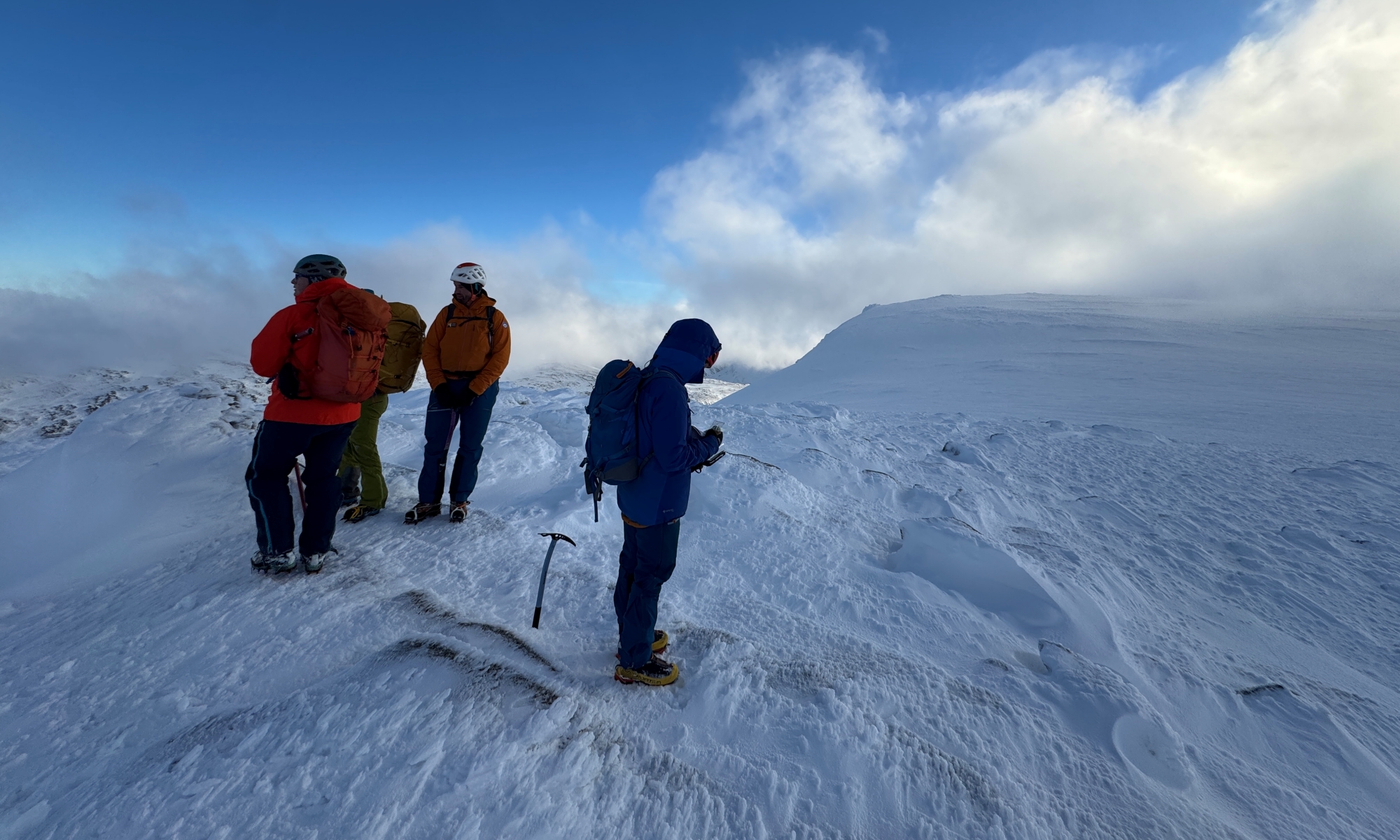
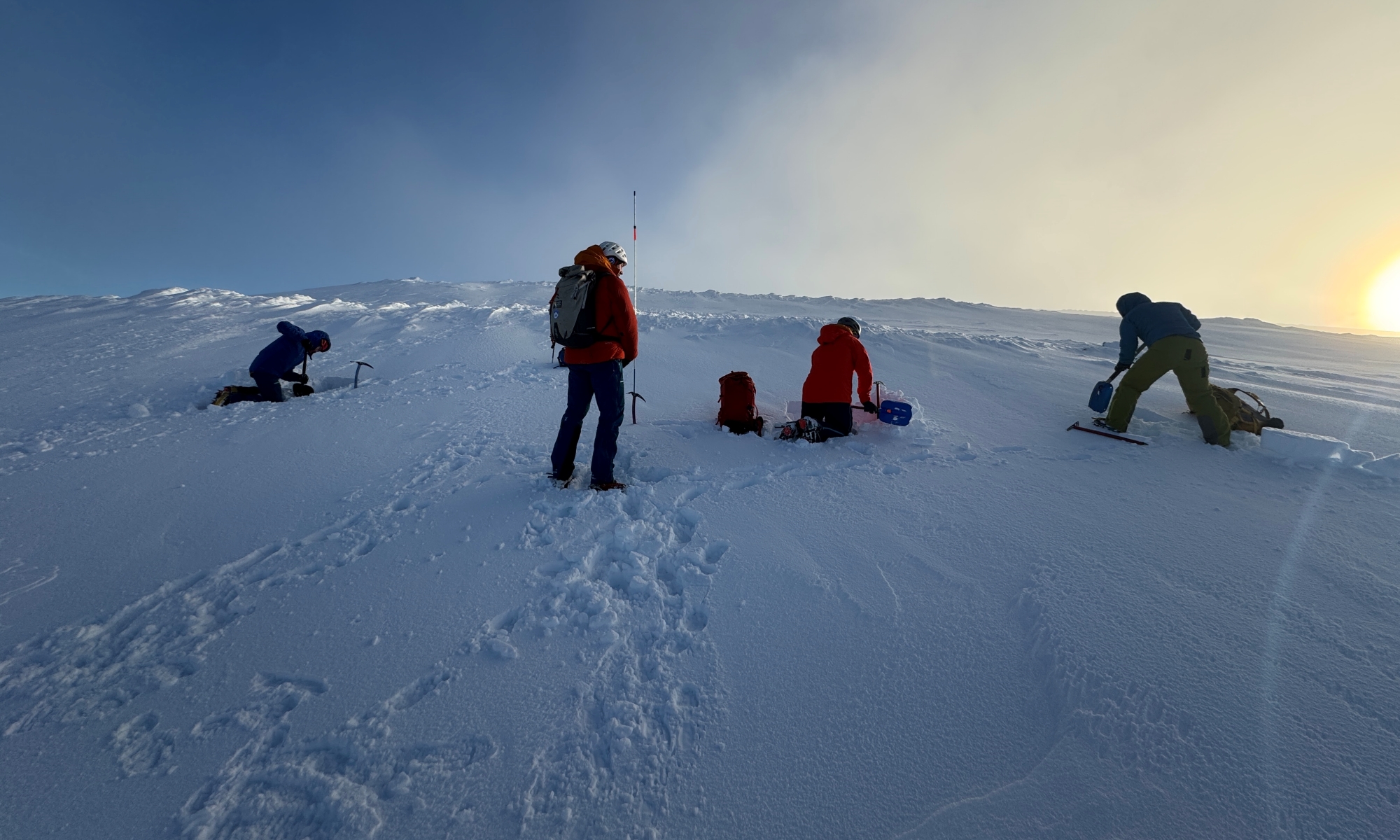
Whilst the wintry conditions enabled nine courses to undertake at least one night in a snowhole (with several assessments managing two nights), ‘reasonable adjustment’ requests from candidates or complicated and dynamic snow and weather conditions either precluded overnighting or necessitated an emergency retreat. Some of the snowhole issues noted included:
- Thin roofs
- Overly warm snowpacks
- Avalanche-prone snowbanks
- High winds
Those who managed an overnight highlighted the experience as having a high value learning component. Those courses that did not manage an overnight snowhole opted for other approaches including camping, or variations on day into night-nav (with or without a temporary stop for digging emergency shelter and meal break) as alternatives with good results.
Weather-driven adaptability is now the norm
The comments from course directors in course reports highlighted that ‘last minute’ adaptability driven by weather/conditions was the norm. Some comments noted how weather forecasts tended to be more unreliable than previous seasons regarding timings etc. (possibly a factor due to winds for a significant part of the season unusually coming from the south-east?). Several storm cycles (notably Storm Chandra) forced:
- Venue changes
- Abandoning snowholes
- Use of extended day into night navigation
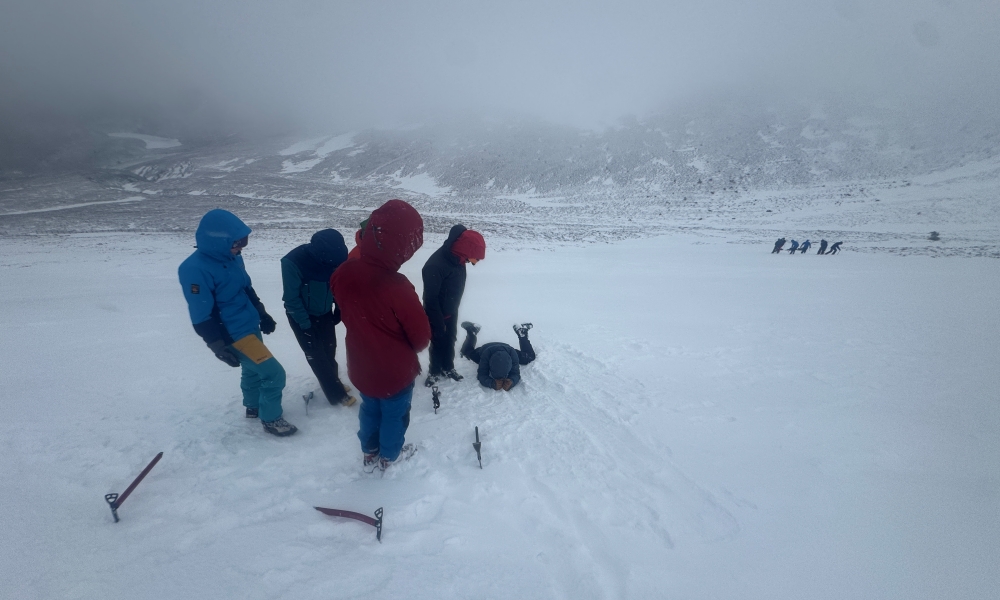
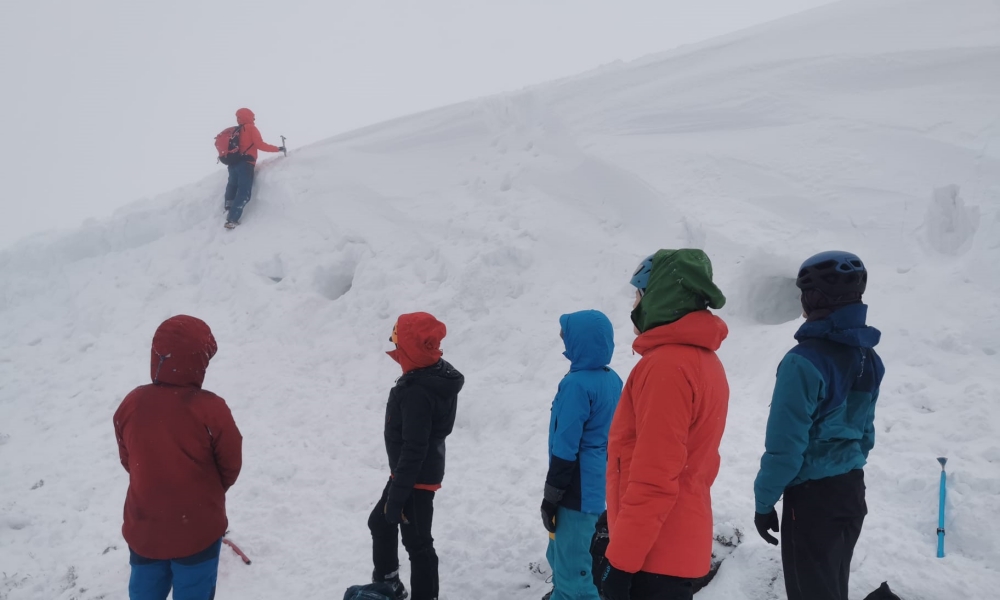
Overall, the training and assessment teams demonstrated excellent flexibility, highlighting how robust contingency planning and rapid decision‑making frameworks enable providers and their course staff to be extremely reactive to dynamically changing weather and conditions.
Thank you
Mountain Training Scotland would like to congratulate our new Winter Mountain Leaders - including three MTS bursary-supported candidates - on their success. We extend our thanks to all candidates, providers, and their staff for their enthusiasm, adaptability, and resilience in helping make this season a success.